

27 Aug The Art of Collecting: Building an Eye, Understanding Value, and Buying With Confidence
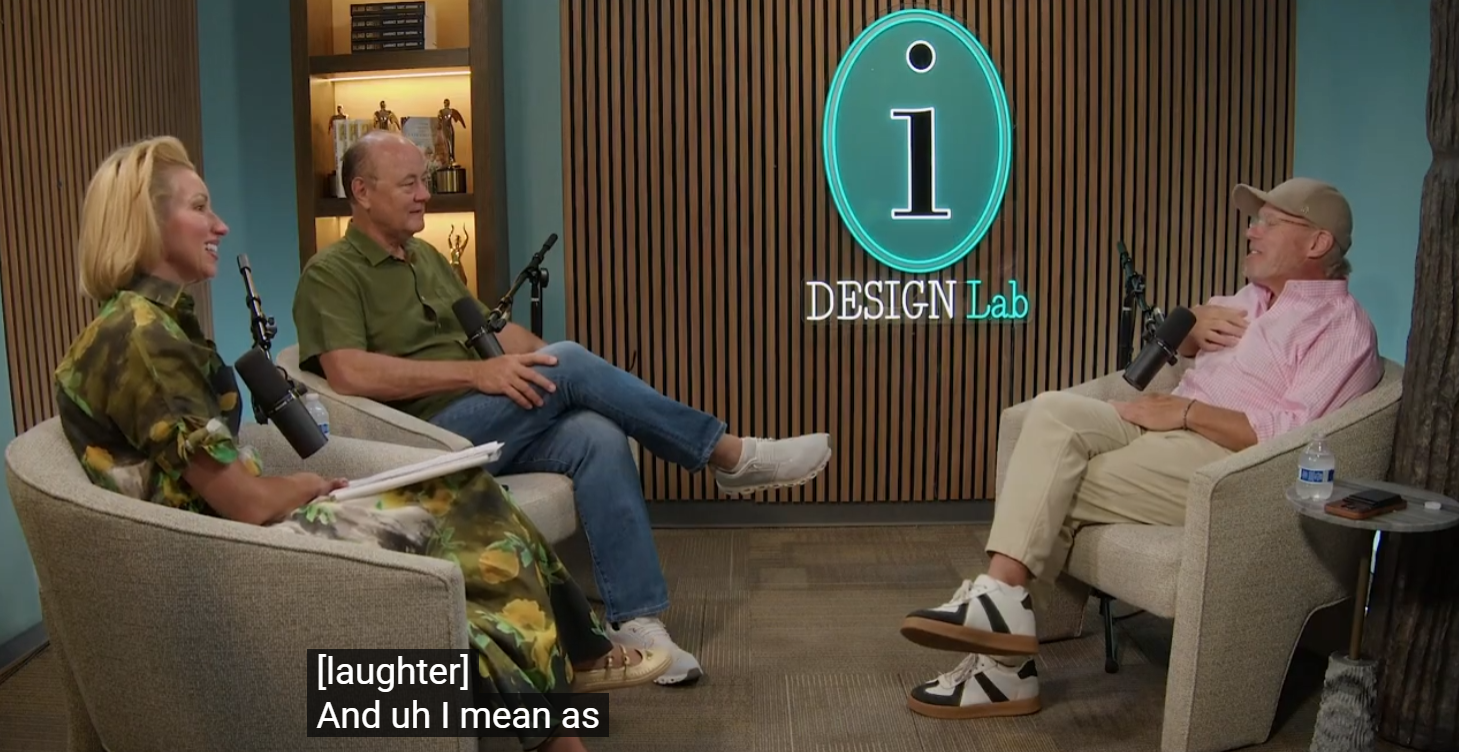
The latest episode of the iDesign Lab Podcast, launching August 27, explores the instinct, intellect, and intimacy behind a truly considered art collection.
There is a particular moment when a room begins to feel finished—not because every surface has been filled, but because something unexpected has found its place.
A painting catches the afternoon light. A sculpture interrupts an otherwise quiet composition. An object, perhaps discovered years ago, suddenly feels as though it has always belonged there.
This is the alchemy of art in the home.
On the latest episode of the iDesign Lab Podcast, fine art consultant Breck Kling takes us behind the curtain of collecting, offering a thoughtful look at how a personal eye is developed, how markets create value, and why the most compelling collections are rarely assembled overnight.
Launching August 27, 2026, the conversation begins with a deceptively simple proposition: before you learn how to collect art, you must learn how to see it.

Breck Kling
Developing an Eye
Kling’s own relationship with art began early, shaped by exposure to museum-level works and deepened through an interest in art history and architecture. What followed was not simply an education in artists and movements, but something more enduring—a lifelong practice of looking.
It is an idea that feels especially relevant in an age of endless visual consumption.
We see more images than ever, yet seeing art in person remains an entirely different experience. The physicality of a work—the scale, surface, texture, pigment, imperfection—cannot be reduced to a photograph on a screen.
And contemporary art, in particular, often asks for patience.
The first reaction may be aesthetic, but the second can be intellectual. What is the artist saying? Why this material? Why this scale? Why now?
The more one looks, the more one begins to notice.
The Education of the Eye
For the aspiring collector, there is no substitute for being in the room.
Art fairs, galleries, museums, studio visits, and openings become classrooms of their own. Art Basel Miami Beach, with its extraordinary concentration of galleries, collectors, artists, and institutions, offers one of the art world’s most immersive opportunities to sharpen that visual vocabulary.
But the education does not end at the fair.
In Miami and Palm Beach, a growing network of galleries, cultural institutions, designers, collectors, and artists provides an equally compelling local landscape for discovery. Spend enough time looking, and instinct begins to develop. Certain materials begin to speak to you. You recognize a scale that works in your home. You discover that the work you thought you wanted may not be the work you ultimately love.
This is where collecting becomes deeply personal.
When Art Enters the Room
For the design-minded collector, the artwork is only half of the story.
There is the architecture around it. The quality of the light. The height of the ceiling. The furniture nearby. The silence—or energy—of the room.
A great piece of art can transform an interior, but an interior can transform the experience of a great piece of art, too.
The relationship is reciprocal.
The most sophisticated rooms often understand this instinctively. They do not treat art as decoration or as an afterthought. Instead, art becomes part of the architecture of the home—a visual counterpoint, a historical reference, a moment of tension, or simply something that brings joy each time it is seen.
The Market Behind the Beauty
Then there is the less romantic, but equally fascinating, side of collecting: value.
The contemporary art market can behave much like an asset class, with its own cycles of enthusiasm, scarcity, speculation, and correction. Auction records offer an important window into an artist’s public market, but they are only one piece of a much larger ecosystem.
Dealers, curators, museums, institutions, and major collectors can influence an artist’s trajectory and help establish demand. Supply can be carefully managed. Reputation can compound. Emerging artists can become market darlings almost overnight.
And then, inevitably, tastes change.
For anyone considering art as an investment, Kling brings an important measure of realism to the conversation. Market value can soften, particularly in speculative areas of the market. Even the most sophisticated collector cannot predict every turn.
Which is precisely why passion still matters.
There is a certain freedom in acquiring a work because you love it first.
The Story Behind the Work
Before a collector commits to a significant purchase, however, there is another story to understand: where the artwork has been.
Provenance—the documented history of an artwork’s ownership and exhibition record—is an essential component of serious collecting. Condition, authenticity, materials, and expert documentation all become part of the equation.
In certain cases, forensic analysis can provide another layer of assurance, examining pigments and materials to help determine whether a work is consistent with its claimed period.
Technology is entering the conversation as well, with blockchain and digital provenance systems offering new approaches to documenting an artwork’s history.